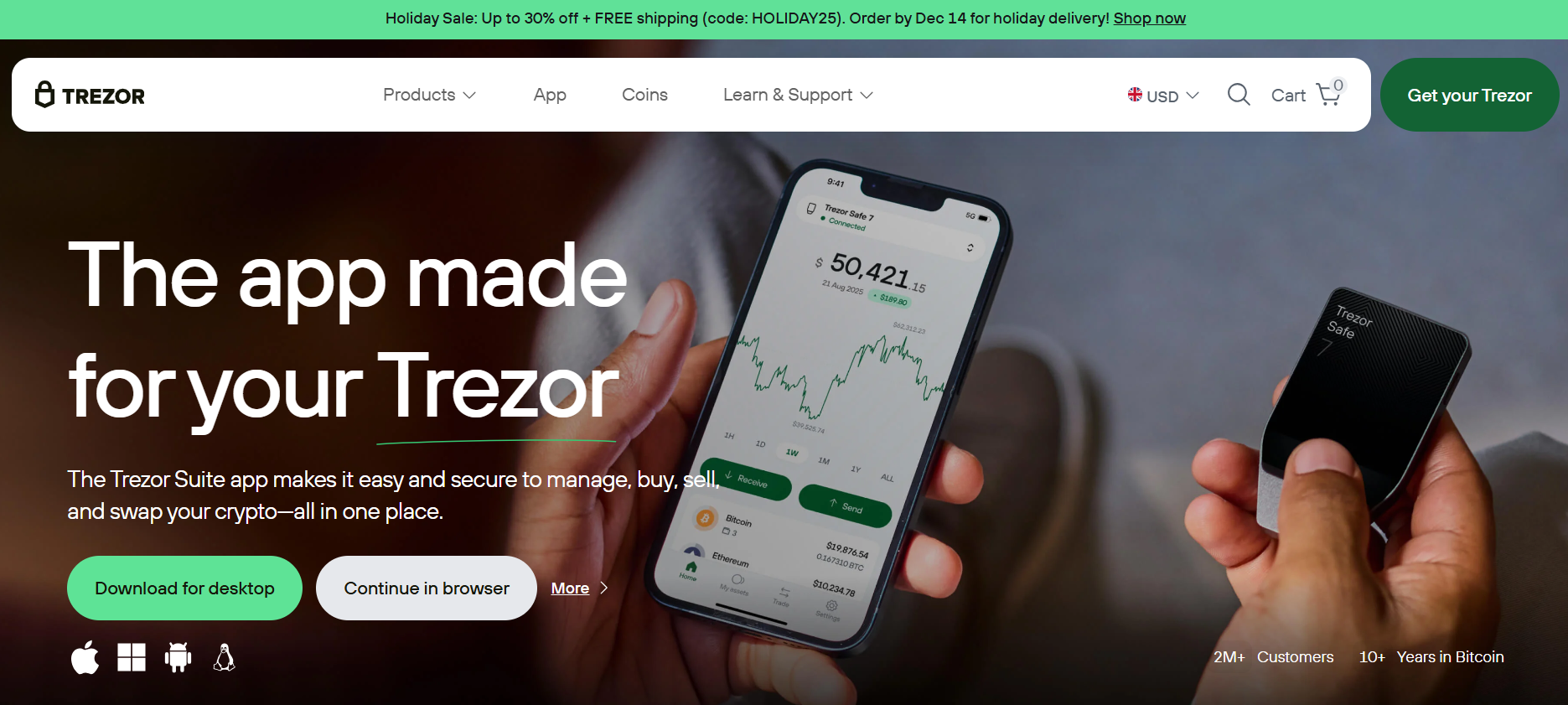
Trezor Suite: A Practical Guide to Reviewing Your Wallet Before Adding Another Asset
Managing a growing crypto portfolio becomes easier when your wallet remains organized and every account has a clear purpose. Trezor Suite provides a convenient environment for managing supported crypto assets with a Trezor hardware wallet. Before adding another asset or creating a new account, however, it is useful to review your current setup and confirm that everything is ready.
A few simple checks can reduce confusion and help you maintain a consistent wallet routine.
Review Your Existing Accounts First
Before adding anything new, look through the accounts already connected to your wallet. Check the account names, supported assets, and recent activity. This gives you a clear picture of what is already available and can prevent accidentally creating duplicate accounts when an existing one is suitable.
Keeping accounts clearly organized is especially helpful when your portfolio contains several cryptocurrencies.
Confirm the Asset and Network
Different crypto assets can use different networks and transaction formats. Before proceeding with a new account, make sure you understand which asset you intend to manage and which network is appropriate for it.
Do not rely only on the appearance of an address or token name. Review the information shown in Trezor Suite and make sure it matches the asset you are working with.
If you are unsure about compatibility, check the official Trezor documentation before continuing.
Connect the Correct Hardware Wallet
Your hardware wallet is an important part of the process. Connect the Trezor device you normally use and confirm that it is recognized correctly.
If you own multiple devices, take a moment to identify the correct one before managing accounts. Avoid rushing through prompts, particularly when the software asks you to confirm information on the hardware wallet itself.
The device screen should be treated as an important verification point rather than something to skip.
Give New Accounts Clear Names
Once you are ready to add an account, choose a name that makes its purpose easy to understand. For example, you might distinguish accounts by asset, purpose, or activity.
Clear naming becomes increasingly useful as your portfolio grows. Instead of searching through similarly named accounts later, you can quickly identify the account you need.
Organization is a small habit, but it can make everyday wallet management much simpler.
Review the Account Before Receiving Funds
After creating or selecting an account, review its details before sharing a receiving address. Confirm that the displayed asset and account are correct.
When receiving crypto, always verify the address carefully and use the appropriate network. If your Trezor device asks you to confirm the address, compare the information displayed on the device with the destination information you expect to use.
This extra verification step can help catch mistakes before funds are sent.
Keep Recovery Information Private
Wallet organization should never come at the expense of security. Your recovery information should remain private and offline. Do not enter recovery words into websites, messages, online forms, or unexpected software prompts.
Legitimate wallet management should not require you to reveal your recovery phrase to another person.
If someone asks for your recovery information, treat the request as suspicious.
Create a Simple Review Routine
You do not need a complicated process every time you manage your wallet. A short checklist is enough:
- Confirm the correct Trezor device.
- Review the selected account.
- Check the asset and network.
- Verify important transaction information.
- Confirm addresses on the hardware wallet when prompted.
- Keep recovery information private.
- Review the final action before approving it.
Following the same sequence can make wallet sessions more predictable.
Final Thoughts
Adding another asset does not have to make your crypto management complicated. By reviewing existing accounts, confirming asset details, connecting the correct hardware wallet, and verifying important information before approving transactions, you can keep your setup easier to understand.
Trezor Suite can serve as the central interface for these everyday tasks, while careful verification and good security habits remain essential parts of responsible crypto management.